 Steadfast Dumpster Rental
Contractor & Job-Site Accounts Memphis
A Contractor & Job-Site Account matches the way a build actually runs: multiple containers over weeks, not one drop and done. General contractors framing new homes off the Germantown Parkway corridor, roofers stripping…
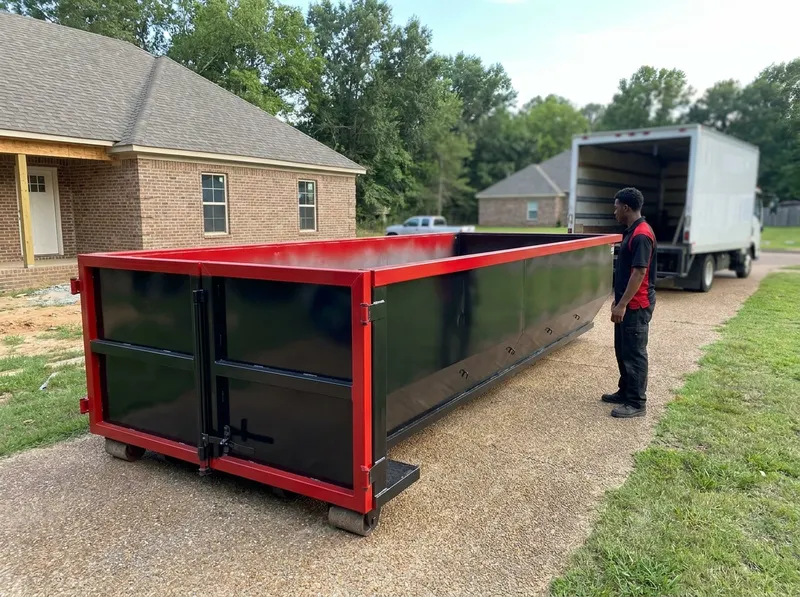
- Included: flat-rate delivery, pickup, disposal, and swap-outs on one account, 10-yard $595, 15-yard $650, 20-yard $695, 30-yard $795, 40-yard $895.
- How fast: same-day or next-day drops on most Memphis job sites; call (901) 710-3568 to lock a delivery window.
- What it costs: flat all-in by size starting at the $595 minimum, with no tonnage overage or fuel fees added later.
- What we take: general construction and demo debris, wood, drywall, roofing shingles, framing, flooring, and mixed jobsite waste.
- How to book: phone the account line, give the address and size, and set a recurring drop schedule for multi-phase jobs.
A Contractor & Job-Site Account matches the way a build actually runs: multiple containers over weeks, not one drop and done. General contractors framing new homes off the Germantown Parkway corridor, roofers stripping shingles in East Memphis, and remodel crews gutting Midtown bungalows near Cooper-Young order roll-offs by size and swap full ones for empties as the phases move. Each size carries a fixed price, 10-yard $595, 15-yard $650, 20-yard $695, 30-yard $795, 40-yard $895, so a project manager can line-item disposal on a bid without guessing at a tonnage bill that lands after the job closes.
Sizing follows debris type, not square footage. The 10-yard holds roughly 4 pickup loads and suits a single-bathroom or kitchen tear-out in a Berclair rental. The 20-yard, about 8 pickup loads, fits a whole-house flooring pull or a mid-size deck demo. Roofing crews lean on the 30-yard because torn shingles pack heavy and low, and a full house re-roof in Whitehaven or Raleigh clears in one container. New-construction framing scrap and siding cutoffs, bulky but light, fill the 40-yard fastest. If a job spans a Frayser gut-rehab and a Hickory Hill addition at once, both drops sit on the same account with one point of contact.
Flat pricing exists because the two things that blow up a construction budget are the tonnage surprise and the fuel add-on printed in small type. A Contractor & Job-Site Account removes both: the number quoted by size is the number billed. That matters on Downtown and South Main renovations where street frontage is tight and a swap has to be scheduled around parking and a possible city right-of-way permit, the schedule changes, the price does not. For crews that self-load and stay under the size line, this is dumpster rental, not junk removal; the container arrives empty and the crew fills it.
Here is how an account runs: 1) set up the account by phone with the company name and billing contact; 2) call in each drop with the site address and the size that fits the phase; 5) confirm the delivery window so the container is on-site before demo starts; 4) call for a swap when it is full, an empty replaces it same trip on most Memphis routes; 5) close the account or leave it open for the next project. Prohibited loads, wet concrete slurry, liquids, tires, and hazardous material, stay off every container regardless of size, which keeps the flat rate flat.
Contractor & Job-Site Accounts cost in Memphis
Every job gets a firm, written price after a free on-site visit.
Common questions
Can a Memphis contractor run multiple dumpsters on one account at the same time?
Are there hidden tonnage or fuel fees on a Memphis job-site account?
How fast can a dumpster reach a job site in Memphis?
Which dumpster size should a Memphis roofing crew order?
Do Downtown Memphis job sites need a permit for a roll-off dumpster?
Get started today
Tell us about your contractor & job-site accounts job in Memphis and we'll send a clear, written quote, usually the same day.
4800 South Mendenhall Road, Memphis TN 38141
Monday: Open 24 hours
Tuesday: Open 24 hours
Wednesday: Open 24 hours
Thursday: Open 24 hours
Friday: Open 24 hours
Saturday: Open 24 hours
Sunday: Open 24 hours